Planning your first trip to Egypt can be exciting, but knowing what to expect makes the experience much easier. These Egypt travel tips cover visa requirements, weather, Cairo transportation, ancient sites, Nile cruises, Egyptian culture, food, Red Sea diving, money, mobile connectivity, and practical advice. From exploring the Pyramids of Giza to sailing between Luxor and Aswan, this guide will help you plan a smoother and more enjoyable Egyptian vacation.
Essential Egypt Travel Tips and Information Before You Go
Egypt offers a combination of ancient history, busy cities, desert landscapes, the Nile River, and Red Sea resorts. The country can be visited throughout the year, but your experience will depend heavily on your itinerary, travel season, and the destinations you choose.
First-time visitors should plan the basic details before arriving. Check your visa requirements, choose the right season, arrange suitable transportation, consider travel insurance, and prepare clothing for both sightseeing and cultural visits.
Egypt’s official tourism information also recommends practical preparation such as comfortable shoes, sun protection, suitable clothing, and carrying Egyptian currency for smaller purchases.
Egypt Visa Requirements and Entry Rules
Visa requirements depend on your nationality and travel plans. Egypt currently offers visa-on-arrival or electronic visa options to eligible nationalities, while some travelers need to arrange a visa through an Egyptian consulate before departure. Because eligibility can change, always verify the current requirements before booking your flight.
Travelers should also make sure their passport meets the required validity conditions and keep copies of important travel documents. If you want a more detailed explanation of the process, our Egypt Tourist Visa guide covers the main visa options and application considerations.
Travelers going directly to Sharm El Sheikh, Dahab, Nuweiba, or Taba for up to 15 days may qualify for a free entry permit limited to South Sinai. Travelers planning to visit other parts of Egypt or stay longer need to check the appropriate visa requirements.
Best Time to Visit Egypt: Weather and Seasons
Egypt is generally sunny and dry, but temperatures vary considerably between Cairo, the Nile Valley, the desert, and the Red Sea coast. Winter is generally mild, while summer is hot and dry, particularly in southern Egypt.
For sightseeing, October through April is often more comfortable because visitors spend considerable time outdoors at archaeological sites. Summer can still be a good choice for Red Sea holidays, diving, and resort stays.
If you are deciding when to travel, our guide to the Best Time to Visit Egypt explains the differences between seasons, sightseeing conditions, Nile cruises, beach holidays, and peak travel periods.
Egypt Travel Insurance: Do You Need It?
Travel insurance is not simply about medical expenses. A comprehensive policy can also help with unexpected trip interruptions, lost baggage, delays, cancellations, or emergency transportation depending on the coverage.
Before purchasing a policy, check what activities are included. If you plan to participate in diving, desert excursions, or other adventure activities, confirm that your insurance specifically covers them.
It is also useful to keep your policy information accessible on your phone and as a printed backup. Knowing how to contact your insurer can save time if an unexpected situation occurs during your trip.
Exploring Cairo: Attractions, Transportation, and Local Highlights
Cairo is usually the starting point for first-time visitors to Egypt. The capital combines ancient monuments, museums, Islamic architecture, traditional markets, modern neighborhoods, restaurants, and a huge urban population.
The city can feel overwhelming at first because of its size and traffic. The best approach is to organize your sightseeing by area instead of trying to cross the city repeatedly in one day.
Pyramids of Giza and Sphinx Egypt
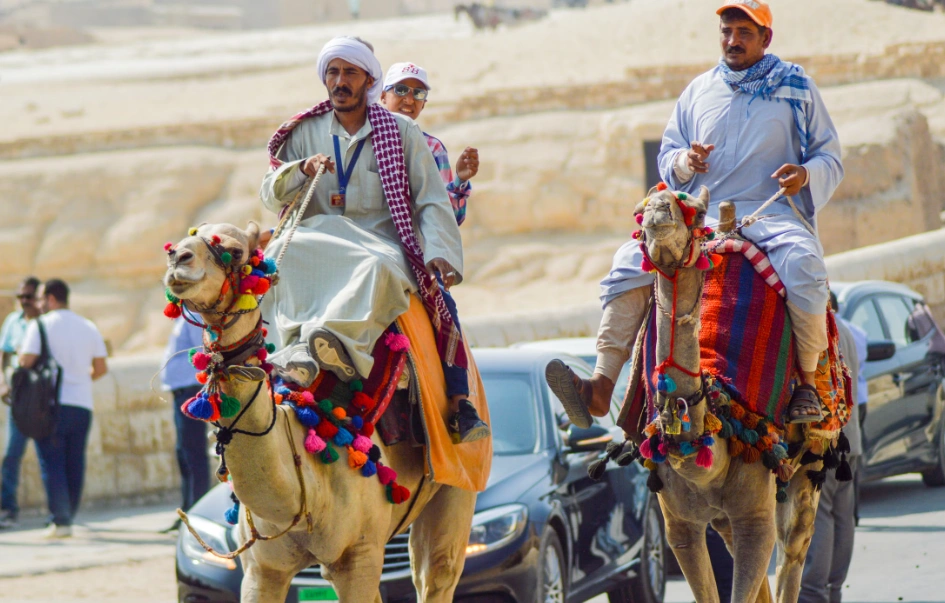
The Pyramids of Giza and the Great Sphinx are among Egypt’s most important attractions and should be high on the list of any first-time visitor.
The Giza Plateau is an outdoor archaeological area, so comfortable shoes, water, sunscreen, and a hat can make the visit more enjoyable. Arriving early is also useful because temperatures are generally more comfortable in the morning.
For travelers who prefer an organized experience, the Great Pyramids of Giza & Sphinx Tour can provide a structured way to explore these iconic monuments.
Egyptian Museum and Khan El-Khalili
Cairo’s museums and historic markets provide a different experience from the pyramids. The Egyptian Museum allows visitors to explore collections connected to ancient Egyptian civilization, while Khan El-Khalili offers traditional shops, cafés, crafts, and a lively atmosphere.
Plan enough time for both cultural experiences rather than treating them as quick stops. Museums are particularly useful during the hottest part of the day because they provide an indoor alternative to outdoor sightseeing.
Travelers interested in seeing Cairo’s newer museum experience can also consider a Grand Egyptian Museum day tour, depending on the attractions and access available during their travel dates.
Getting Around Cairo: Taxis, Metro, and Ride-Hailing Apps
Cairo is a large city, and traffic can significantly affect journey times. Plan your daily schedule with extra time between attractions rather than relying only on estimated driving times.
Taxis, ride-hailing services, the Cairo Metro, private drivers, and organized tours can all be useful depending on your destination. The Metro is particularly useful for certain parts of the city, while private transportation can be more practical for sightseeing days covering several attractions.
For first-time visitors, organized transportation can reduce the stress of navigating unfamiliar streets and negotiating individual rides.
Cairo Travel Tips for First-Time Visitors
One of the most important Cairo travel tips is to avoid overloading your itinerary. Visiting the pyramids, a museum, Khan El-Khalili, and several distant neighborhoods all in one day can leave you exhausted.
Instead, group nearby attractions together and leave some free time for meals and unexpected discoveries.
It is also useful to keep small Egyptian banknotes for tips and minor purchases. Credit cards are accepted in major hotels and tourist destinations, but Egypt remains a cash-based environment for many smaller transactions.
Egypt Travel Itinerary: Iconic Historical Sites and Nile Experiences
A good Egypt travel itinerary should balance Cairo with Upper Egypt and, if time allows, the Red Sea.
A seven-to-ten-day trip can combine Cairo, Luxor, Aswan, and a Nile cruise. Longer vacations can add Abu Simbel, Alexandria, the Red Sea, or a desert destination.
Exploring the Pyramids of Giza and the Great Sphinx
Allow several hours for the Giza Plateau rather than treating it as a quick photo stop. The complex includes the three major pyramids and the Great Sphinx, with different viewpoints and areas to explore.
Go early when possible, especially during warmer months. Bring water and wear shoes suitable for walking on uneven ground.
A guide can also help explain the historical context behind the monuments, which can make the experience much more meaningful than simply visiting for photographs.
Nile River Cruise from Luxor and Aswan
A Nile cruise is one of the most convenient ways to combine sightseeing with transportation. Cruises commonly connect Luxor and Aswan while providing access to major temples and archaeological sites along the river.
A cruise also changes the pace of an Egypt vacation. Instead of changing hotels every night, travelers can stay onboard while moving between major destinations.
For visitors who want to combine Cairo with Upper Egypt, a 6 Days Cairo and Nile Cruise Tour Package can provide a structured itinerary covering major highlights.
Luxor and Aswan: Temples, Tombs, and Ancient Egyptian Sites
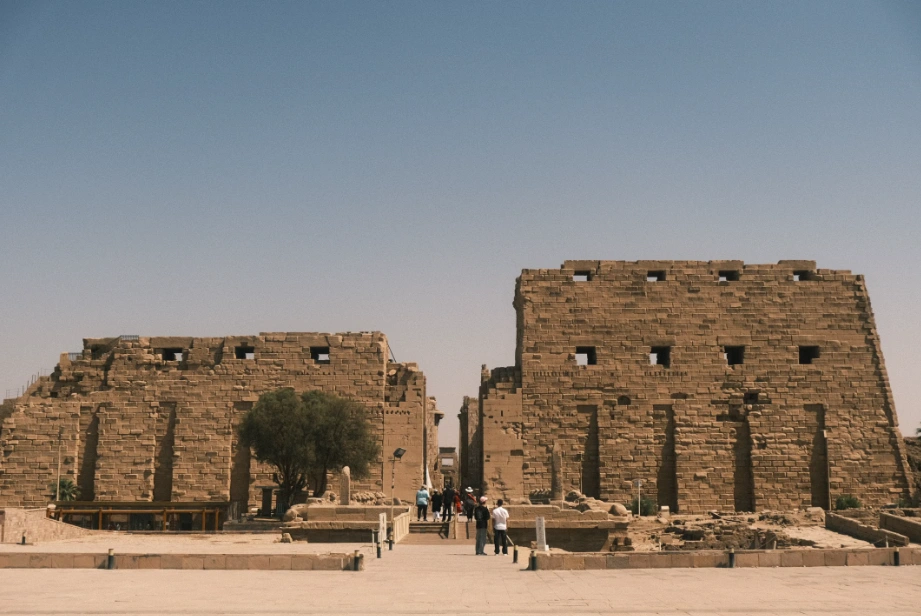
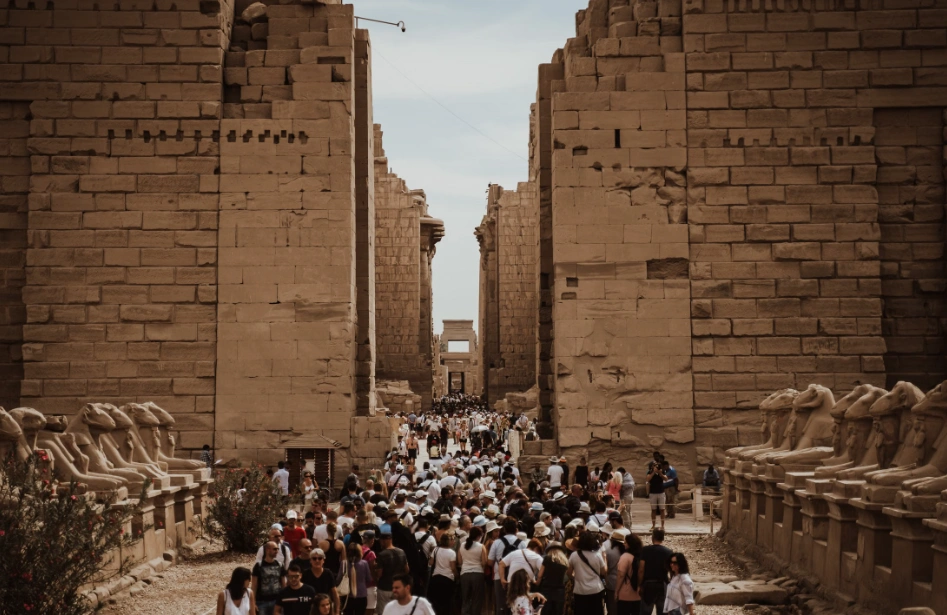
Luxor is often described as an open-air museum because of the concentration of ancient sites in and around the city. Travelers can explore temples, tombs, and monuments connected to different periods of ancient Egyptian history.
Aswan offers a different atmosphere, with the Nile, islands, temples, Nubian culture, and access to Abu Simbel.
The two destinations complement each other well, making them especially valuable additions to a first Egypt trip. Egypt’s official tourism portal groups Luxor, Aswan, and Abu Simbel among the major destinations along the Nile.
Exploring the Valley of the Kings and Karnak Temple
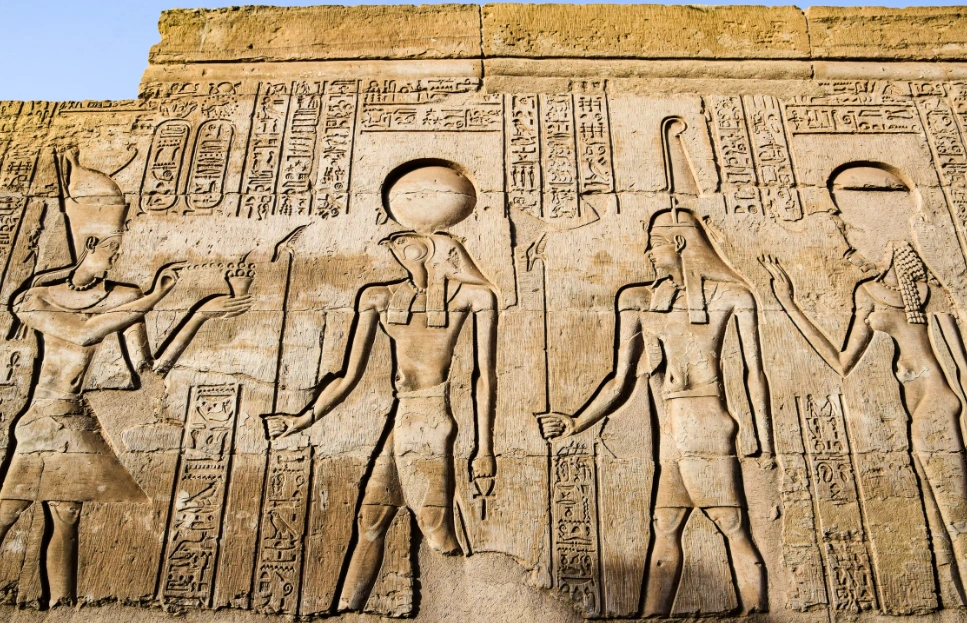
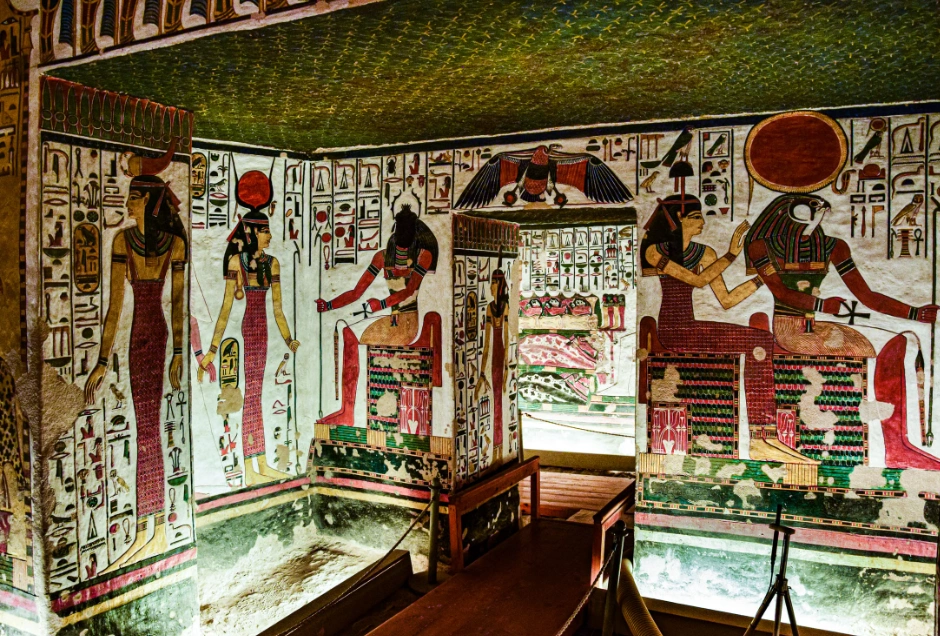
The Valley of the Kings is one of Luxor’s most important archaeological areas. Visitors can enter selected tombs and see decorated walls and corridors connected to ancient Egyptian royal burials.
Karnak Temple offers a completely different scale. Its monumental columns, halls, statues, and sacred spaces demonstrate the architectural ambitions of ancient Egypt.
If you want to explore the temple complex with organized transportation and guidance, a Karnak and Luxor Temples day tour can be incorporated into a Luxor itinerary.
Egyptian Culture and Local Etiquette
Understanding basic Egyptian customs can make interactions more comfortable and respectful. Egypt has a strong culture of hospitality, and visitors often encounter friendly conversations, invitations to share food, and curiosity about their home countries.
At the same time, travelers should remember that Egypt is a predominantly Muslim country with established social and religious customs.
Understanding Egyptian Culture, Customs, and Traditions
Hospitality is an important part of Egyptian culture. It is common for Egyptians to offer food, tea, coffee, or help to visitors.
When visiting someone’s home, accepting a small gesture of hospitality can be appreciated. At the same time, travelers should remain polite and respectful when declining something they do not need.
Religious sites require additional awareness. Visitors should follow posted instructions and local guidance regarding clothing, shoes, photography, and behavior.
Dress Code and Cultural Etiquette for Travelers
There is no single dress code for every part of Egypt, but modest clothing is generally the safest choice, particularly when visiting religious or traditional areas.
The official tourism authority recommends light, loose clothing for the Egyptian climate and suggests carrying a scarf or light cardigan because some religious sites require visitors to cover their arms and legs.
Comfortable walking shoes are equally important because archaeological sites often involve extensive walking.
Egypt Travel Tips for Women: Clothing, Etiquette, and Local Customs
Women traveling in Egypt can benefit from choosing practical, culturally respectful clothing. Lightweight trousers, long skirts, loose shirts, and a scarf can be useful options.
At mosques and other religious sites, additional covering may be required. When visiting beaches or resorts, dress codes are generally more relaxed than in traditional neighborhoods.
It is also sensible to remain aware of your surroundings, use reputable transportation, and ask your hotel or tour operator for local advice when necessary.
Best Egyptian Food and Traditional Egyptian Cuisine
Food is an important part of the Egyptian travel experience. Local cuisine includes filling breakfasts, street food, grilled meats, vegetable dishes, seafood, desserts, and refreshing drinks.
Travelers do not need to visit expensive restaurants to discover authentic flavors. Some of the country’s most recognizable dishes are everyday foods enjoyed by locals.
Best Egyptian Food to Try During Your Trip
Start with ful medames and taameya for breakfast. Koshari is one of the most recognizable Egyptian street foods, combining rice, lentils, pasta, chickpeas, tomato sauce, and fried onions.
Other dishes worth trying include mahshi, molokhia, hawawshi, kofta, kebab, and Egyptian-style seafood.
For dessert, consider Om Ali, basbousa, or kunafa. Drinks such as karkadeh, sugarcane juice, and tamarind can also provide a refreshing introduction to Egyptian flavors.
Where to Experience Authentic Local Food in Egypt
Cairo offers the widest range of choices, from street food and traditional restaurants to modern restaurants serving Egyptian cuisine.
Alexandria is particularly interesting for seafood and regional dishes, while Luxor and Aswan offer restaurants serving traditional meals for travelers exploring Upper Egypt.
When choosing street food, look for busy establishments with high customer turnover. Freshly prepared food that is cooked thoroughly and served hot is generally the better choice for visitors.
Red Sea Diving and Coastal Adventures in Egypt
Egypt is not only about ancient monuments. The Red Sea is one of the country’s major tourism attractions and offers diving, snorkeling, beaches, resorts, and marine experiences.
The official tourism authority notes that Red Sea destinations including Hurghada, El Gouna, Soma Bay, Marsa Alam, Sharm El Sheikh, and Dahab offer diving and snorkeling opportunities.
Red Sea Diving: What Makes Egypt a World-Class Diving Destination?
Egypt’s Red Sea is known for its coral reefs and diverse marine life. Official tourism information highlights more than 300 coral species and more than 1,000 fish species in the Red Sea.
The range of diving environments makes Egypt suitable for beginners and experienced divers. Travelers can choose between boat dives, shore dives, snorkeling excursions, and organized diving courses.
Always select a properly equipped diving center and explain your experience level before booking.
Sharm El Sheikh Diving: Reefs, Marine Life, and Best Dive Sites
Sharm El Sheikh is one of Egypt’s best-known diving destinations. It offers access to coral reefs, marine life, shore dives, and organized boat trips.
Diving can be combined with a resort holiday, making Sharm El Sheikh suitable for travelers who want a balance of relaxation and underwater activities.
Nearby protected areas also offer opportunities to experience marine environments while supporting conservation.
Hurghada Diving: What Travelers Should Know Before Booking
Hurghada is another major Red Sea destination with a wide range of diving and snorkeling options. It is particularly convenient for travelers who want a resort holiday with easy access to water activities.
Before booking, ask about equipment, transfer arrangements, boat departure times, instructor qualifications, and whether the excursion is suitable for your experience level.
If you are a beginner, introductory diving can be a good way to discover the Red Sea without committing to an advanced course.
Practical Egypt Travel Tips for a Smooth Trip
Small practical details can make a major difference during your trip. Prepare your money, phone connection, medication, clothing, and daily essentials before leaving your hotel each morning.
Money, Currency, and Tipping in Egypt
The Egyptian pound is Egypt’s national currency. Major hotels, restaurants, and tourist businesses commonly accept cards, but cash remains useful for taxis, smaller shops, tips, and everyday purchases.
Egypt’s official tourism information recommends carrying enough Egyptian cash because many smaller transactions are still cash-based.
Tipping is common in Egypt, particularly in tourism-related services. Keep small denominations available so you can tip when appropriate without needing to exchange large notes.
Staying Connected: SIM Cards, Mobile Data, and eSIMs
Egypt has several major telecommunications providers, and tourists can purchase temporary lines with mobile data. The official tourism authority identifies WE, Orange, Vodafone, and Etisalat among the operators offering temporary tourist lines.
If your phone supports eSIM technology, check whether your provider offers an Egypt package before traveling. Otherwise, buying a local SIM after arrival can be a practical option.
Hotel Wi-Fi is also widely available, although connection quality varies between properties.
Health, Water Safety, and Common Scams to Avoid
Travelers should take normal precautions with food, water, sun exposure, and personal belongings. If you have a sensitive stomach, introduce unfamiliar foods gradually and choose reputable restaurants.
Drink bottled or appropriately treated water if you are unsure about the local supply. Carry sunscreen, stay hydrated, and avoid prolonged exposure to strong midday heat.
Be cautious around unsolicited offers, unofficial guides, aggressive sales approaches, and unclear prices. Agree on the price of a service before accepting it whenever possible.
What to Pack for Egypt
Packing for Egypt is relatively simple if you focus on comfort and versatility.
Bring lightweight clothing, comfortable walking shoes, sunglasses, sunscreen, a hat, and a light jacket for cooler evenings. A scarf or cardigan is useful when visiting religious sites or traditional areas.
If your itinerary includes the Red Sea, add swimwear and appropriate beach clothing. If you are taking a Nile cruise or visiting Luxor and Aswan, prioritize breathable clothing and comfortable shoes.
Professional cameras, drones, and specialized photography equipment may be subject to additional rules or permits. The official tourism authority recommends checking requirements and declaring professional equipment when necessary.
Final Egypt Travel Tips for First-Time Visitors
The best Egypt travel experience comes from balancing famous attractions with enough time to enjoy the country itself. Give Cairo several days, include Luxor and Aswan if possible, consider a Nile cruise, and leave room for local food and cultural experiences. If you have extra time, the Red Sea can add an entirely different side of Egypt to your itinerary.
Most importantly, prepare the essentials before departure but remain flexible once you arrive. Check current visa requirements, plan transportation in advance, dress appropriately for the places you visit, carry some Egyptian cash, and use reputable tourism services. With the right preparation, your first trip can combine ancient history, local culture, exceptional food, and unforgettable experiences along the Nile and Red Sea.