Choosing the Best Time to Visit Egypt depends on what you want to experience during your trip. Egypt offers ancient monuments, Nile cruises, desert adventures, Red Sea beaches, and world famous diving throughout the year. However, weather conditions, tourist numbers, and prices change from one season to another. The cooler months are usually ideal for sightseeing, while summer can be excellent for beach holidays. So when is the best time to travel to Egypt for your plans?
Egypt Weather and Seasons: When Is the Best Time to Visit?
Egypt is a year round destination with mostly dry weather and plenty of sunshine. However, temperatures vary significantly between regions and seasons. Cairo generally has milder conditions than Luxor and Aswan, while the Red Sea resorts can remain comfortable for beach activities during much of the year.
For travelers interested in sightseeing, the period from October through April is generally the most comfortable. Temperatures are more suitable for walking around archaeological sites, exploring museums, and taking long day trips. Summer, on the other hand, brings very high temperatures, particularly in Upper Egypt.
There is no single answer to the best time to visit Egypt because your ideal season depends on your itinerary. A traveler planning a Nile cruise may prefer winter, while someone focused on diving in the Red Sea may enjoy summer.
Egypt Weather by Month
Egypt’s weather changes gradually throughout the year, but each month offers different advantages for travelers. Winter is generally mild, spring becomes progressively warmer, summer is hot and dry, and autumn brings more comfortable conditions.
|
Month |
General Weather |
Best For |
|
January |
Cool and mostly sunny |
Pyramids, museums, Nile cruises |
|
February |
Mild and comfortable |
Cultural sightseeing |
|
March |
Warm and pleasant |
Pyramids and outdoor tours |
|
April |
Warm with comfortable periods |
Nile cruises and sightseeing |
|
May |
Hotter, especially in the south |
Beaches and shorter sightseeing trips |
|
June |
Very hot |
Red Sea resorts and diving |
|
July |
Hot and dry |
Diving, snorkeling, beach holidays |
|
August |
Very hot |
Red Sea activities and resorts |
|
September |
Hot but gradually improving |
Beaches and diving |
|
October |
Warm and increasingly comfortable |
General sightseeing |
|
November |
Mild and pleasant |
Egypt tours and Nile cruises |
|
December |
Cool and comfortable |
Sightseeing and cultural trips |
Travelers should also remember that temperatures can differ greatly between destinations. A winter day in Cairo may feel cool in the morning, while Luxor and Aswan can remain pleasantly warm during the afternoon.
When Is Summer in Egypt? A Look at the Hottest Months
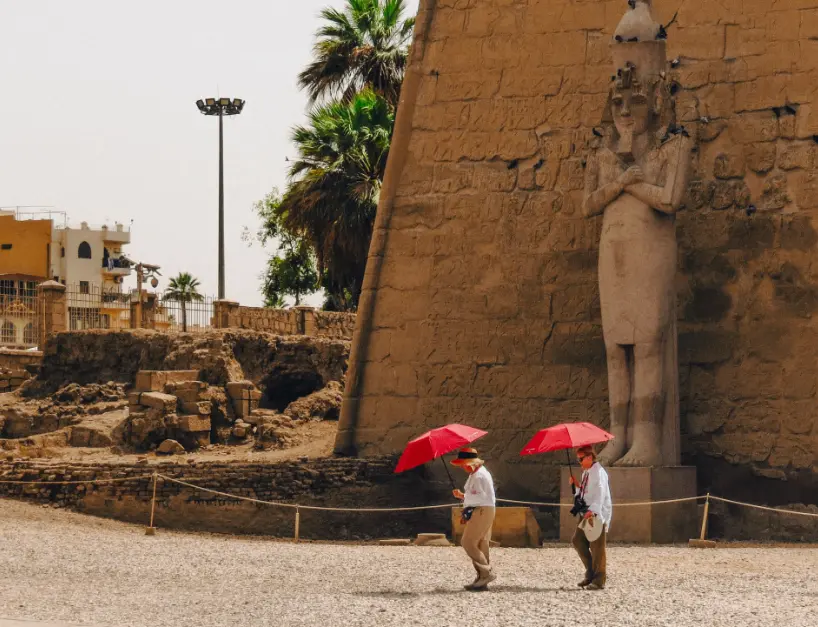
If you are wondering when is summer in Egypt, the practical travel season generally extends from May through October, with June, July, and August typically being the hottest months.
Summer temperatures can become particularly intense in Luxor and Aswan. Long outdoor tours during the middle of the day may therefore feel challenging. Travelers visiting during this period should plan sightseeing early in the morning or later in the afternoon.
Summer does not mean Egypt should be avoided. It can actually be a good period for travelers who want to spend most of their vacation at Red Sea resorts. Swimming, snorkeling, diving, and relaxing by the sea can be more appealing than long archaeological tours during the hottest months.
Best Time to Visit Egypt for Sightseeing: From the Pyramids to Luxor
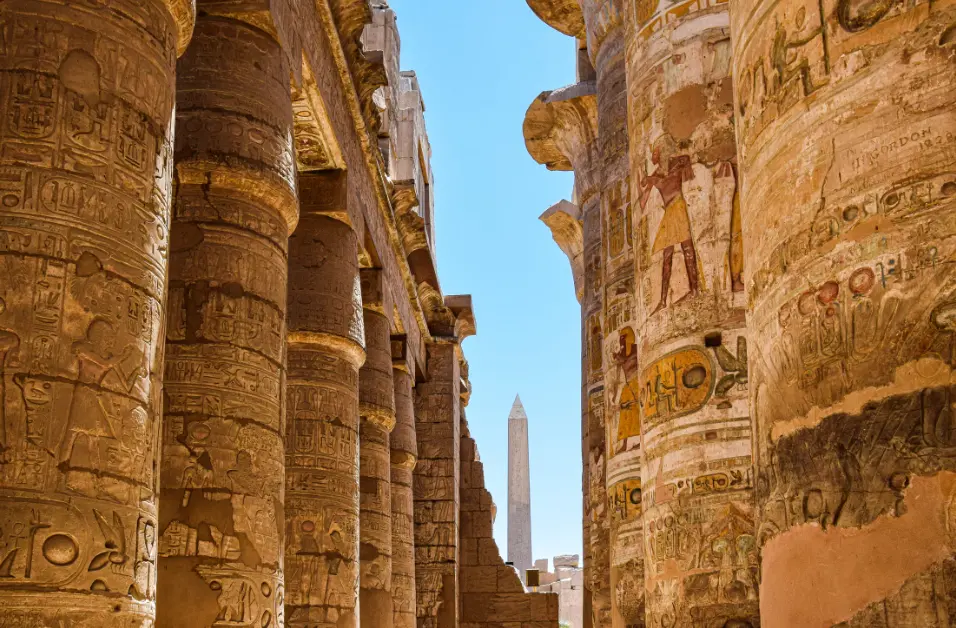
Egypt’s major historical attractions are spread across different regions, and many require walking outdoors. Choosing a season with comfortable temperatures can make a major difference to the experience.
For most sightseeing itineraries, October through April offers favorable conditions. November through March is particularly popular because travelers can explore Cairo, Giza, Luxor, and Aswan without dealing with the extreme heat of summer.
If you are planning your first trip, it is also worth preparing beyond the weather. Our guide to Egypt travel tips covers practical considerations that can help you prepare for transportation, clothing, local customs, and everyday travel.
When Is the Best Time to Visit the Pyramids of Giza?
The best time to visit the pyramids Egypt travelers usually prefer is during the cooler part of the year, from October through April. During these months, walking around the Giza Plateau is generally more comfortable than during the peak summer heat.
January and February can bring cool mornings and evenings, but daytime conditions are often pleasant for sightseeing. March and April become warmer and can be particularly enjoyable for travelers who prefer mild rather than cool weather.
Regardless of the month, visiting the pyramids early in the morning is a smart strategy. The temperature is usually more comfortable, the sun is less intense, and you can explore the site before the hottest part of the day.
If your itinerary includes Cairo and you want to explore Luxor separately, a flight based day trip can also save significant travel time. A Luxor Tour from Cairo by Flight can be a practical option for travelers with limited time.
Cairo, Luxor, and Aswan: When Is the Weather Most Comfortable?
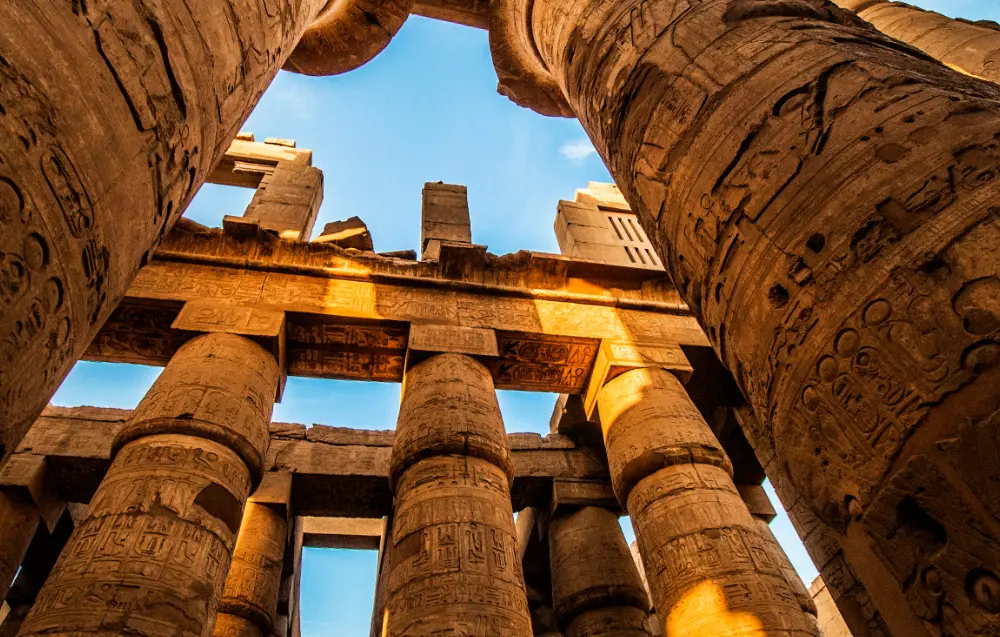
Cairo, Luxor, and Aswan experience noticeably different temperatures, especially during summer. Cairo is generally easier to explore during warm months, while Upper Egypt can become extremely hot.
Winter is one of the strongest seasons for visiting Luxor and Aswan because the weather is usually sunny and comfortable for temple visits, archaeological tours, and Nile cruises.
Summer requires more planning. In July and August, temperatures in Luxor and Aswan can become very high, so travelers should avoid long outdoor activities during midday whenever possible.
If your goal is to explore Egypt’s ancient history in comfort, November through March is one of the best periods to consider. These months allow you to spend more time outdoors without the intense heat that characterizes the summer season.
Nile Cruises and Desert Adventures: When Is the Best Time to Explore?
The Nile is at the heart of many Egypt itineraries, connecting some of the country’s most important historical destinations. Desert adventures offer another side of Egypt, with landscapes, hiking opportunities, and outdoor experiences far away from major cities.
Both types of activities are more enjoyable when temperatures are manageable. This makes the cooler months particularly attractive for travelers who want an active itinerary.
When Is the Best Time for a Nile Cruise?
The best time for a Nile cruise is generally from October throug h April. During this period, daytime temperatures are more comfortable for visiting temples and archaeological sites along the river.
A typical Nile cruise between Luxor and Aswan combines time onboard with excursions to major historical attractions. Because many of these visits involve walking outdoors, cooler weather can make the experience much more enjoyable.
November through February is especially popular for Nile cruising. March and April are also good options for travelers who prefer warmer weather.
If you want to combine Cairo sightseeing with a cruise, consider a 6 Days Cairo and Nile Cruise Tour Package that brings several major experiences together in one organized itinerary.
The Best Season for Desert Adventures and Hiking
Desert excursions are generally most comfortable between October and April. Cooler temperatures make activities such as hiking, camping, safari tours, and exploring desert landscapes easier to enjoy.
Destinations such as Siwa, Fayoum, the White Desert, and parts of the Sinai Peninsula offer very different landscapes from the Nile Valley. Winter days can be pleasant for outdoor adventures, although desert nights can become surprisingly cold.
Spring can also be a good option, but travelers should be aware of possible Khamsin winds that may bring dust and sand. Flexible planning is useful when booking outdoor desert activities during this period.
Red Sea Escapes: The Best Time for Beaches, Swimming and Diving
The Red Sea gives travelers another reason to consider Egypt outside the traditional sightseeing season. Hurghada, Sharm El Sheikh, and other coastal destinations offer beaches, swimming, snorkeling, diving, and resort experiences throughout much of the year.
Unlike an archaeological itinerary, a Red Sea vacation can work particularly well during summer. Travelers can spend much of the day in the water or relaxing at their resort rather than walking around exposed historical sites.
When Is the Best Time to Visit Hurghada and Sharm El Sheikh?
The best time to visit Hurghada and Sharm El Sheikh depends on your preferred temperature and activities. Spring and autumn offer a strong balance between warm weather and comfortable conditions.
Winter is also popular, especially among travelers escaping colder climates. Although temperatures are lower than during summer, the Red Sea coast can still provide pleasant conditions for swimming, snorkeling, and resort activities.
Summer is the hottest period, but it can be an excellent choice if your priority is a beach holiday. Travelers who mainly want to relax, swim, and enjoy resort facilities may find June through September particularly appealing.
For a mixed itinerary that includes Cairo and historical attractions, however, autumn and winter generally provide more comfortable sightseeing conditions.
When Is the Best Time for Diving and Snorkeling in Egypt?
Diving and snorkeling are available throughout the year, making the Red Sea one of Egypt’s most flexible destinations. The best period depends more on your preferred water and air temperature than on whether the activity is possible.
Summer is especially attractive for travelers who want to focus heavily on diving and snorkeling. The warm conditions are ideal for spending long periods in the water.
Spring and autumn offer a useful compromise for travelers who want to combine underwater activities with sightseeing. Winter can also work well, particularly for travelers who enjoy cooler air temperatures and want to escape colder weather elsewhere.
A Month-by-Month Guide to the Best Time to Visit Egypt
Each part of the year offers a different travel experience. Instead of asking which month is universally best, consider what you want to see and how comfortable you are with heat.
January to March: Cool Weather and Ideal Sightseeing
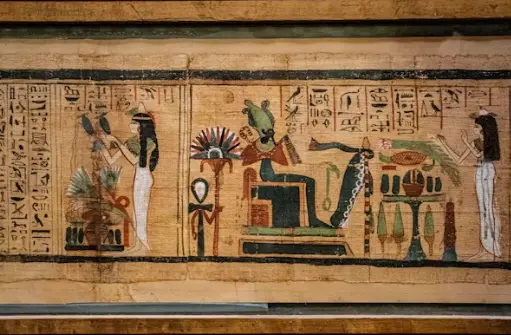
January through March is one of the most comfortable periods for exploring Cairo, Giza, Luxor, and Aswan. Days are generally mild and sunny, although mornings and evenings can be cool.
This period is especially suitable for travelers planning busy itineraries. You can spend more time outdoors visiting temples, pyramids, markets, and historical sites without dealing with the extreme temperatures of summer.
Nile cruises are also popular during these months. Travelers should pack layers because temperatures can change significantly between daytime and evening.
April to June: Warmer Days, Fewer Crowds
April offers a good balance between warm weather and comfortable sightseeing. May becomes hotter, particularly in southern Egypt, while June introduces more intense summer conditions.
These months can appeal to travelers looking for fewer crowds than the busiest winter period. April is particularly useful for combining historical sightseeing with outdoor activities.
If you travel in May or June, start sightseeing early and avoid spending long periods under the midday sun. Staying hydrated and using sun protection are also important.
July to September: Hot Weather and Great Diving
July through September is the hottest period in Egypt. Luxor, Aswan, and desert destinations can become extremely hot, making extensive outdoor sightseeing less comfortable.
However, the same weather can make these months attractive for Red Sea vacations. Hurghada and Sharm El Sheikh offer opportunities for swimming, snorkeling, diving, and relaxing at resorts.
Travelers visiting Cairo during summer can still enjoy museums and indoor attractions during the hottest hours, while scheduling outdoor visits early in the morning.
October to December: Comfortable Weather and Peak Season
October marks the transition toward cooler conditions. By November and December, temperatures are generally more comfortable for sightseeing across major tourist destinations.
This period is often busy because international travelers prefer Egypt’s cooler weather. Popular hotels, Nile cruises, and tours can therefore experience higher demand.
If your schedule is fixed, booking major travel services ahead of time is a sensible approach, particularly around December and other high demand periods.
Ramadan in Egypt: Is It a Good Time to Visit?
Ramadan follows the Islamic lunar calendar, meaning its dates change every year. Visiting Egypt during Ramadan can offer a memorable cultural experience, but travelers should understand that local routines may change.
What Travelers Should Know About Visiting Egypt During Ramadan
During Ramadan, Muslims fast from dawn until sunset. Restaurants, shops, and businesses may adjust their operating hours, while evenings can become especially lively after sunset.
Travelers should respect people who are fasting and remain aware of local customs. Tourist attractions generally continue to welcome visitors, but schedules can vary.
One of the most interesting aspects of visiting during Ramadan is experiencing Egypt after sunset. Streets become active, families gather for meals, and traditional decorations and lanterns create a distinctive atmosphere.
If you plan to visit during Ramadan, check opening hours in advance and remain flexible with meal times and daily activities.
Egypt’s Khamsin Season: What Travelers Should Know
Khamsin refers to hot, dry winds that can carry dust and sand across parts of Egypt. These conditions are most commonly associated with spring and can occasionally affect outdoor activities.
When Does Khamsin Season Occur in Egypt?
Khamsin season is generally associated with March through May, although the exact timing and intensity can vary from year to year.
A Khamsin event does not mean that an entire trip will be affected. Many spring days remain comfortable and sunny. However, travelers planning desert excursions or long outdoor tours should monitor weather conditions.
If you have a flexible itinerary, you can move outdoor activities to another day when strong winds or reduced visibility occur.
How Can Sandstorms Affect Your Trip?
Strong dust or sandstorms can reduce visibility and make outdoor sightseeing less comfortable. In some cases, they may also affect transportation or outdoor excursions.
Travelers should follow local weather updates and advice from their tour operator. Sunglasses can help protect your eyes, while a light scarf can provide additional protection against dust.
The best approach is preparation rather than avoiding spring altogether. Khamsin conditions are temporary, and most travelers can continue enjoying their trip by adjusting their schedule when necessary.
When Is the Best Time to Visit Egypt for Fewer Crowds and Lower Prices?
Travelers who prioritize lower prices or quieter attractions may want to avoid the busiest periods. However, there is no single month that is guaranteed to have the lowest prices because airfare, hotels, cruises, and tours all respond differently to demand.
Shoulder Season in Egypt: Fewer Crowds and Pleasant Weather
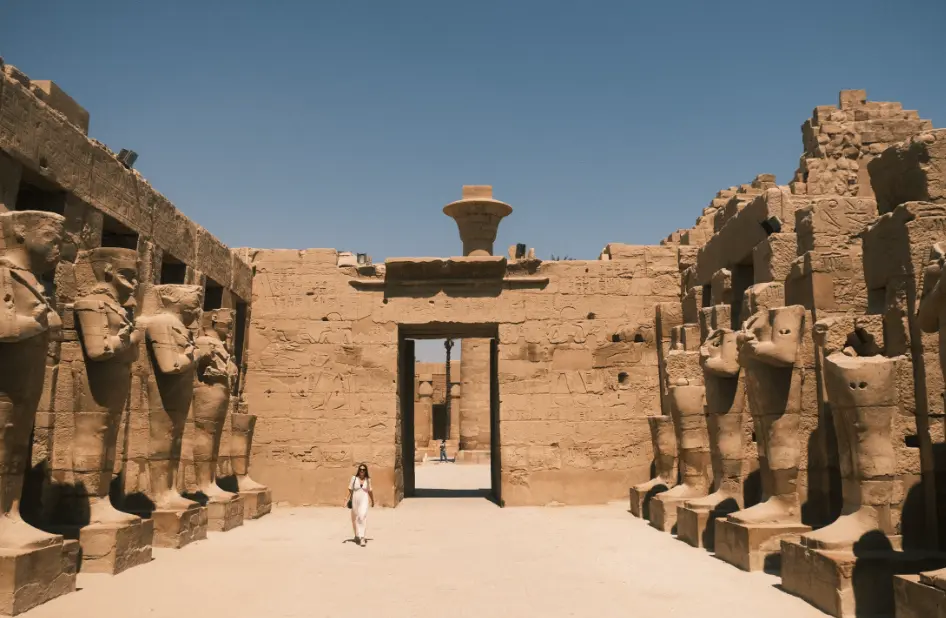
April, May, September, and October can provide a useful balance between visitor numbers and weather. April and October are particularly attractive because temperatures are generally more manageable than during the hottest summer months.
Shoulder season can also offer greater flexibility when booking accommodation and tours. However, prices still depend on the destination, hotel category, holidays, and booking period.
If you want a quieter experience while maintaining comfortable sightseeing conditions, these transitional months are worth considering.
Egypt’s High Season: When the Country Is at Its Busiest
Egypt’s high season generally overlaps with the cooler months, especially from late autumn through winter and into early spring.
This is when many international visitors arrive to enjoy comfortable weather for sightseeing. Popular attractions and Nile cruises can become noticeably busier during this period.
The benefit is excellent sightseeing weather. The tradeoff is that travelers may encounter higher demand for hotels, cruises, and popular tours.
Booking ahead is particularly useful if you plan to visit Egypt during December, January, or other popular travel periods.
The Cheapest Time to Visit Egypt: When Can You Save More?
There is no universally cheapest month to visit Egypt. Prices change according to demand, hotel availability, flights, holidays, and the type of experience you choose.
The hottest summer months can sometimes offer better value because fewer travelers want to deal with extreme temperatures. Travelers who are comfortable with heat can take advantage of lower demand while focusing on Red Sea resorts.
Another way to save is to compare complete packages rather than booking every service separately. Accommodation, transportation, sightseeing, and cruises can sometimes be more convenient when organized together.
Frequently Asked Questions About the Best Time to Visit Egypt
What month is best to travel to Egypt?
November through March is generally one of the best periods for comfortable sightseeing. October and April are also excellent choices for travelers who prefer warmer weather and potentially fewer crowds.
What is the cheapest month to visit Egypt?
There is no fixed cheapest month because prices change throughout the year. Summer can sometimes provide lower prices, especially for travelers willing to visit during very hot weather.
Is it safe to go to Egypt right now?
Travelers should always check current official travel advisories before departure because regional conditions can change. It is also advisable to use reputable tour operators and reliable transportation while traveling.
What is the rainy season in Egypt?
Egypt is generally a dry country, and rainfall is limited compared with many other destinations. Northern coastal areas can receive more rain during winter, while Cairo and most southern tourist destinations remain predominantly dry.
Is winter a good time to visit Egypt?
Yes. Winter is one of the most popular seasons for visiting Egypt because temperatures are generally comfortable for sightseeing. It is especially suitable for Cairo, the pyramids, Luxor, Aswan, and Nile cruises.
Is summer too hot for Egypt?
Summer can be extremely hot, particularly in Luxor and Aswan. However, it can still be an excellent season for Red Sea vacations, diving, snorkeling, and resort holidays.
When is the best time for a Nile cruise?
October through April is generally the most comfortable period for a Nile cruise. November through February is particularly attractive for travelers who want pleasant conditions while exploring Luxor and Aswan.
When is the best time to visit the pyramids?
October through April generally offers the most comfortable conditions. Regardless of the season, visiting early in the morning is recommended to avoid the strongest afternoon heat.
Should I visit Egypt during Ramadan?
Yes, especially if you are interested in experiencing Egyptian culture. You should simply expect changes in opening hours, meal schedules, and daily routines.
Plan Your Egypt Vacation Around the Right Season
The best time to travel to Egypt ultimately depends on your priorities. For comfortable sightseeing, historical attractions, Nile cruises, and long outdoor days, October through April is generally the strongest period. For diving and Red Sea holidays, summer can be an excellent choice, while April, May, September, and October offer a useful balance between weather and visitor numbers.
Good preparation can make your experience even easier. Before booking your flights, review our Egypt travel tips to learn more about practical planning, local conditions, and what to expect during your visit. If you are still arranging your entry requirements, our Egypt Tourist Visa guide can help you understand the available visa options and application process.
Ramses Tours has more than two decades of experience organizing travel experiences across Egypt, supported by a broad network of offices and tourism services in major destinations. Whether you want to explore the pyramids, cruise the Nile, discover ancient temples, or relax beside the Red Sea, our team can help you build an itinerary around the season that suits you best.